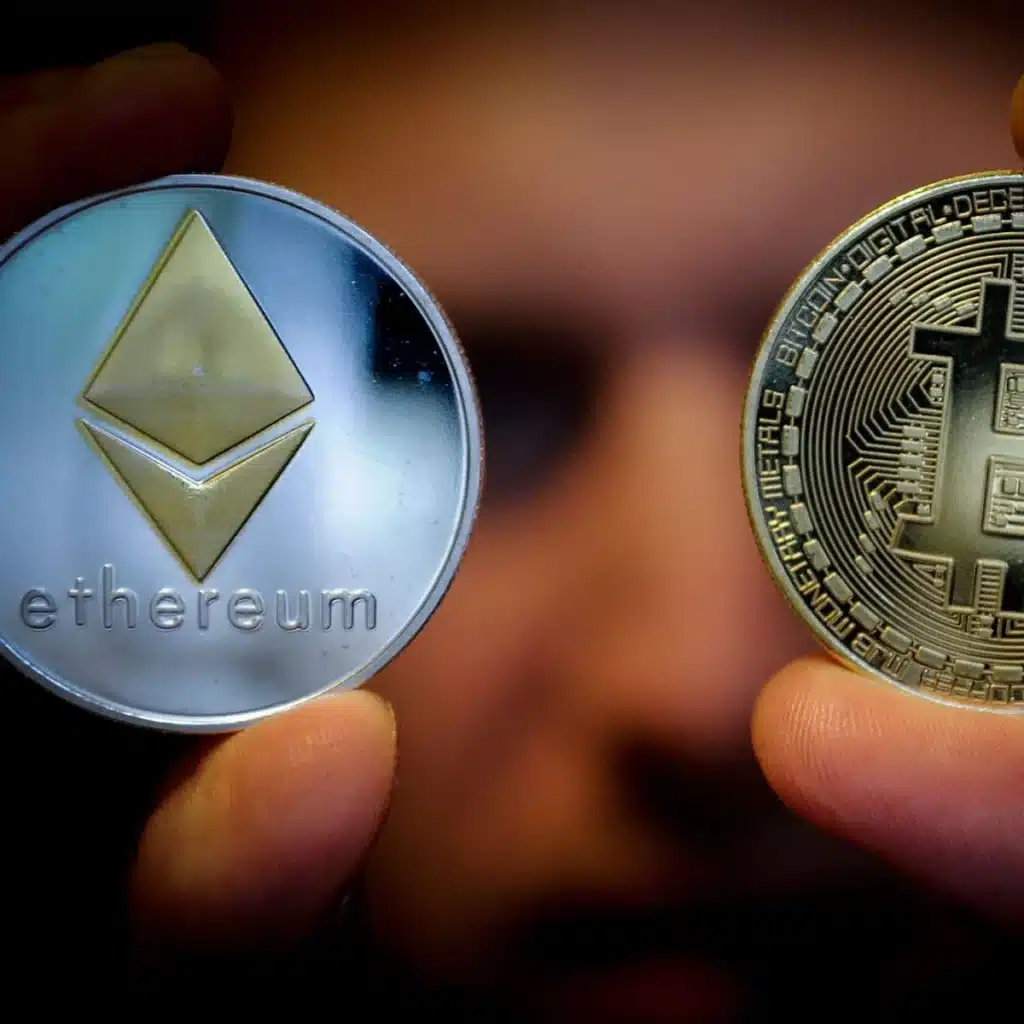
Since the inception of Bitcoin in 2009, the cryptocurrency market has expanded from a niche cryptographic experiment into a multi-trillion-dollar global financial ecosystem. Today, thousands of digital assets exist, each serving different purposes, from decentralized money to programmable contract platforms. Understanding the most popular cryptocurrencies is essential for anyone looking to navigate the modern financial landscape.
Bitcoin (BTC): The Digital Gold
Bitcoin is the original cryptocurrency, created by an anonymous developer or group of developers under the pseudonym Satoshi Nakamoto. Designed as a peer-to-peer electronic cash system, Bitcoin operates on a decentralized proof-of-work consensus mechanism.
Its primary value proposition has shifted over the years from a daily transactional currency to a premier digital store of value, often referred to as ‘digital gold’. With a hard cap of 21 million coins, Bitcoin is structurally deflationary, making it a popular hedge against fiat inflation for both retail and institutional investors.
Ethereum (ETH): The World Computer
Launched in 2015 by Vitalik Buterin and a team of co-founders, Ethereum introduced the concept of smart contracts. Unlike Bitcoin, which is primarily a transactional network, Ethereum is a decentralized software platform that allows developers to build and deploy decentralized applications (dApps) and smart contracts.
Ethereum is the backbone of major crypto sub-sectors, including Decentralized Finance (DeFi) and Non-Fungible Tokens (NFTs). In 2022, Ethereum transitioned from Proof-of-Work to Proof-of-Stake (the Merge), drastically reducing its energy consumption and laying the groundwork for future scalability upgrades.
Major Altcoins to Know
Binance Coin (BNB)
Originally launched as an ERC-20 utility token on the Ethereum network to offer discounted trading fees on the Binance exchange, BNB has evolved into the native token of the BNB Chain ecosystem. BNB is used to pay for gas fees, participate in token launches, and power decentralized applications within its highly scalable network.
Solana (SOL)
Solana is a high-performance blockchain platform engineered for speed and low transaction fees. It utilizes a unique consensus mechanism called Proof of History (PoH) combined with Proof of Stake (PoS). This allows Solana to process tens of thousands of transactions per second, making it a prominent competitor to Ethereum for DeFi, NFTs, and Web3 applications.
Cardano (ADA)
Cardano is an open-source, decentralized public blockchain platform focused on peer-reviewed academic research. Developed by Input Output Global (IOG) and led by Charles Hoskinson, Cardano utilizes a secure Proof of Stake consensus protocol called Ouroboros. Its developmental strategy relies on a methodical, multi-era roadmap emphasizing security and scalability.
Understanding Stablecoins
While most cryptocurrencies are highly volatile, stablecoins are a unique category designed to maintain a stable value by pegging their price to a reserve asset, typically the US Dollar. The two most prominent stablecoins are Tether (USDT) and USD Coin (USDC). They serve as vital liquidity bridges in the crypto ecosystem, allowing traders to lock in profits, hedge against market volatility, and facilitate cross-border transactions without traditional banking latency.
Key Factors to Evaluate Popular Cryptocurrencies
Utility: Does the token solve a real-world problem or have a clear use case within its network?
Market Capitalization: Market cap (Current Price x Circulating Supply) helps assess a coin’s size, liquidity, and risk level.
Development Activity: An active developer community and frequent updates suggest a project is healthy and continuously evolving.
Tokenomics: Understanding the coin’s supply dynamics, inflation rate, and distribution schedule prevents investing in projects prone to sudden dilution.
Conclusion
The cryptocurrency market is dynamic and continuously evolving. While Bitcoin remains the undisputed market leader and Ethereum powers the world of decentralized software, a diverse ecosystem of utility altcoins, high-speed blockchains, and stablecoins continues to emerge. For any aspiring crypto investor or enthusiast, mastering the core fundamentals of these popular digital assets is the first step toward successful participation in this new digital economy.