BlogLearn CryptocurrencyCryptocurrency FAQ: Everything Beginners Need to Know

Cryptocurrency FAQ: Everything Beginners Need to Know

Entering the world of cryptocurrency can feel like learning a completely new language. With terms like blockchain, decentralization, gas fees, and private keys flying around, it is completely normal to have questions. This comprehensive FAQ guide is designed to demystify cryptocurrency, breaking down the absolute essentials of digital assets, blockchain technology, and safe investing practices.

What is Cryptocurrency?

At its core, a cryptocurrency is a digital or virtual currency secured by cryptography. Unlike traditional currencies like the US Dollar or Euro (often called fiat currencies), cryptocurrencies are decentralized. This means they are not issued or controlled by any central bank or government authority. Instead, they rely on a distributed network of computers to process and verify transactions.

How Does Blockchain Technology Work?

Blockchain is the underlying technology that powers most cryptocurrencies. Think of it as a digital, public ledger that securely records transactions across a network of computers. Every time a transaction is made, it is grouped with other transactions into a secure “block.” Once verified, this block is added chronologically to a “chain” of previous blocks. Because this ledger is distributed across thousands of computers globally, it is virtually impossible to alter or hack the historical record.

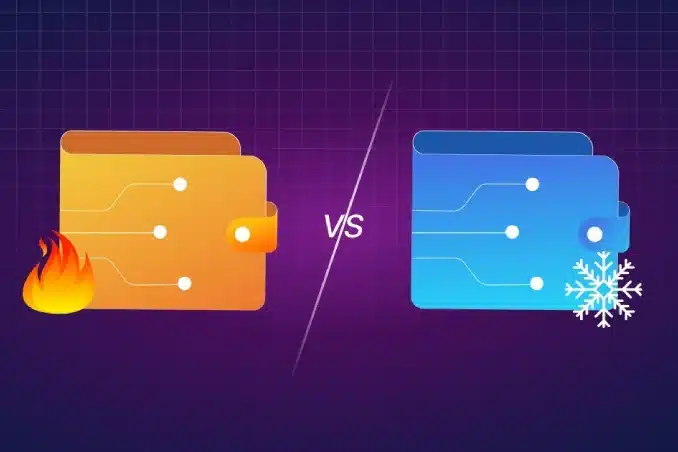
What is the Difference Between Hot and Cold Wallets?

To interact with cryptocurrency, you need a crypto wallet. Wallets do not store your physical coins; instead, they store your private keys—the digital passwords that give you access to your funds on the blockchain. The two main types of wallets are:

  • Hot Wallets: These are software wallets connected to the internet (such as apps on your phone or browser extensions). They are highly convenient for daily trading and transactions but are more vulnerable to online hacks.
  • Cold Wallets: These are physical hardware devices (similar to a USB drive) that store your private keys completely offline. Since they have no connection to the internet, they are highly secure against remote hacking attempts and are recommended for storing larger amounts of crypto long-term.

Why is Cryptocurrency So Volatile?

Cryptocurrency prices can experience massive swings in short periods. This high volatility is driven by several factors, including:

  • Market Sentiment: Positive or negative news, regulatory announcements, and high-profile social media posts can trigger rapid buying or selling.
  • Speculation: Many participants trade crypto purely for speculative short-term profits rather than long-term utility, driving price fluctuations.
  • Market Size: While growing, the overall cryptocurrency market is still relatively small compared to traditional financial markets. This means large trades (often made by “whales”) can have a disproportionate impact on asset prices.

Is Cryptocurrency Legal and Taxable?

In most developed countries, cryptocurrency is completely legal to buy, sell, and hold. However, the regulatory landscape is constantly evolving. In terms of taxation, many jurisdictions (including the US, UK, and EU) treat cryptocurrencies as property rather than currency. This means that when you sell, trade, or spend crypto, it may trigger a taxable capital gains event. It is always wise to consult a local tax professional or use crypto tax software to remain compliant.
Final Thoughts: How to Start Safely

The golden rule of cryptocurrency is to never invest more than you can afford to lose. Start small, focus on major established assets like Bitcoin (BTC) or Ethereum (ETH), and prioritize security by setting up strong passwords, enabling two-factor authentication (2FA), and safely backing up your wallet seed phrase. Continuous learning is your best asset in this exciting financial frontier.